President Trump’s meeting with Iraq’s new prime minister at the White House turns into a high‑stakes push to roll back Iran’s grip on Iraq and force its militias under state control.
Story Snapshot
- Trump welcomes Iraqi Prime Minister Ali al-Zaidi to the White House and backs his new government.
- Both leaders tie U.S.–Iraq ties to disarming Iran-backed militias and restoring Baghdad’s control over weapons.
- Al-Zaidi and U.S. envoy Tom Barrack issue a joint pledge to completely disarm armed factions outside state authority.
- Iran-linked hardline groups still resist, demanding U.S. troop withdrawal and testing Trump’s strategy.
Trump Puts Iran’s Militias on Notice During White House Welcome
President Donald Trump rolled out the welcome mat in Washington for Iraq’s new prime minister, Ali al-Zaidi, turning a routine photo-op into a clear warning shot at Iran’s network of militias. Trump had already thrown his weight behind al-Zaidi earlier this year, publicly blessing his nomination and calling it the start of “a tremendous new chapter” of prosperity and stability between the two nations. The phone call that followed, plus Trump’s invitation to the White House, signaled strong U.S. backing for the 41-year-old political newcomer.
During the Oval Office session, Trump’s team tied future U.S. decisions directly to Iraq’s progress on disarming Iranian-backed militias that operate outside formal state control. A Trump administration official said Washington will make “informed” choices based on how far Baghdad goes in reining in these armed factions. For many American conservatives, that language matters: it connects U.S. support and investment to concrete steps that weaken Iran’s reach and reduce the threat to American troops, global shipping, and energy markets.
Ali al-Zaidi’s Rise and His Disarmament Pledge
Ali al-Zaidi is a banker and businessman turned prime minister, chosen after months of deadlock by Iraq’s Shia Coordination Framework, a bloc that itself includes parties aligned with Iran. His nomination only came after U.S. pressure blocked a former pro-Iran premier from returning to power, underscoring how deeply Washington cares about Iraq’s direction. Despite his limited political background, al-Zaidi quickly moved to reassure U.S. leaders, telling Trump he aims to build a government “free from terrorism” and a brighter future for Iraq.
Days before his Washington visit, al-Zaidi met U.S. Special Envoy Tom Barrack and issued a joint statement promising “complete disarmament and disbandment” of all armed groups operating outside state authority. That pledge goes further than many past Iraqi promises and directly targets Iran-backed factions in the Popular Mobilization Forces, long used by Tehran to project power and intimidate rivals. The Trump administration has treated this document as a test of al-Zaidi’s seriousness and as a chance to reset U.S.–Iraq ties on terms that favor state sovereignty over militia rule.
Militia Pushback and the Tough Road Ahead
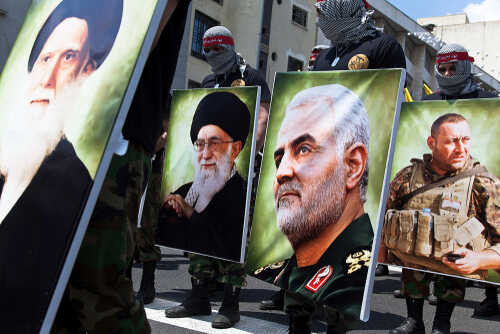
Despite the tough wording from Baghdad and Washington, the reality on the ground is messy and dangerous. Some powerful Iran-linked militias are sending mixed signals, hinting they might place weapons under government control mainly to ease U.S. pressure, rather than truly surrendering their autonomy. Other hardline factions flatly refuse to disarm, saying they will only consider it if all American troops leave Iraq, a demand that aims to force a U.S. retreat and keep Tehran’s influence intact.
Recent reports show a few groups, including Asaib Ahl al-Haq and Kataib Imam Ali, agreeing to shift their arms under state authority, marking the most serious step yet against Iran’s proxy network in Iraq. At the same time, militias like Kataib Hezbollah remain defiant and reject any disarmament, highlighting how limited Baghdad’s leverage can be when armed groups enjoy political cover and Iranian backing. Analysts note that Iraq has issued disarmament pledges every few years since 2006, but has never achieved full, lasting dismantling of these factions.
What Trump’s Strategy Means for U.S. Interests and Conservative Priorities
For the United States, pushing al-Zaidi to curb Iran’s militias is about more than Iraq’s internal politics. Disarming these groups would reduce attacks on American forces, lower risks to Gulf shipping lanes, and protect global energy routes that matter for U.S. families facing high fuel costs. It would also stop Iraq from being used as a platform for strikes on neighboring states, a clear demand from Washington ahead of the visit. In short, Trump is trying to make sure American support leads to real security gains, not more chaos.
🚨FLASH: President Trump hosts Iraqi PM Ali al-Zaidi at the White House.
Meeting focuses on disarming Iran-backed militias in Iraq, per AP. Trump admin says future US-Iraq relationship will hinge on Baghdad's progress on this.
Iraq deadline for militia disarmament: Sept 30.
— Flash Update (@flashupdatenews) July 14, 2026
The visit’s agenda also covers energy, infrastructure, and investment, with U.S. companies seeking fair access to major projects as Iraq rebuilds. For many conservatives, this aligns with a core belief: if America is going to bear any risk abroad, it should secure clear economic benefits and defend its allies from hostile powers like Iran. Al-Zaidi’s promise to bring all weapons under state control now faces a harsh test from entrenched militias and their backers, and Trump has made it clear that future ties will depend on whether Iraq truly stands up for its own sovereignty.
Sources:
youtube.com, gulfif.org, jpost.com, apnews.com, longwarjournal.org, aljazeera.com, thenationalnews.com, english.aawsat.com, nytimes.com, fdd.org, rudaw.net, washingtoninstitute.org, inss.org.il, cfr.org