
Federal prosecutors charged 28 foreign nationals over election crimes in California and tied them to a larger list of more than 20,000 suspected noncitizen registrants, forcing a showdown over who gets to vote and when ballots can be counted.
Story Snapshot
- Justice Department charged 28 foreign nationals for alleged illegal registration and voting; 11 were arrested.
- Federal lawsuit says more than 20,000 likely noncitizens appear on California voter rolls.
- Courts declined to block counting associated ballots at the preliminary stage.
- California officials dispute the lists and demand the underlying data and methods.
What Prosecutors Say They Found
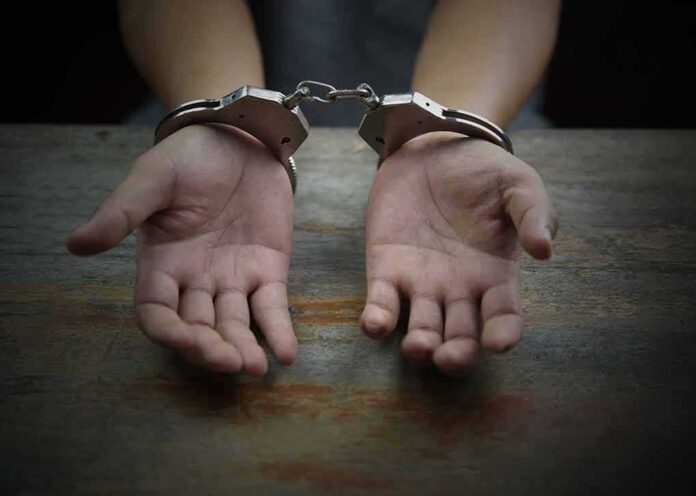
The Department of Justice announced charges against 28 foreign nationals in California for allegedly fraudulent voter registration and, in some cases, illegal voting. Agents arrested 11 of the 28 in a coordinated operation. Prosecutors said every charged person also appeared on a broader list of more than 20,000 likely noncitizen registrants that federal officials provided to the state. These criminal filings mark an enforcement step that moves beyond debate to sworn charges in court.
The government also sued California days earlier. The complaint said federal agencies identified more than 20,000 people who are likely not citizens but are on the state voter rolls. The filing asked a judge to prevent counting of mail ballots linked to those names until citizenship could be confirmed. Federal officials argued that voter registration requires a citizenship attestation, and false claims can be probed and charged under federal law.
Why The Court Fight Intensified
A federal judge declined to stop California from counting the ballots tied to the disputed list during early proceedings. The United States Court of Appeals for the Ninth Circuit also rejected a request to segregate those ballots while checks continued. These rulings were about emergency relief, not a final verdict on each registration. But they shaped the timeline, because officials could continue counting while the broader case moved forward.
California leaders pushed back hard. Attorney General Rob Bonta said a Los Angeles County review of 200 names found more than half were canceled or inactive, nearly 39 percent listed a United States birthplace, and over 71 percent had no voting history. He said the state had not received the federal methodology and warned that unverified data matching can mislabel eligible voters. The Los Angeles County registrar said removals must rest on verifiable facts, not rough matches.
The Numbers, The Gaps, And The Stakes
Federal officials say the 28 criminal cases show real violations and support further scrutiny of the larger list. Still, 28 cases are a small slice of California’s electorate, and prosecutors have not claimed they are a representative sample. The government also moved from roughly 190,000 possible cases this summer to about 20,000 likely noncitizens in court filings. California officials highlight that drop as proof of weak data, while federal officials describe the 20,000 as a refined subset.
For conservatives, two truths collide. First, only citizens can vote in federal elections. Second, sloppy lists can snare real voters if methods are not precise. The path forward is clear: verify citizenship quickly and accurately, charge offenders, and protect legal voters. Courts did not grant the early remedy to hold or separate the ballots, but the prosecution wave and the ongoing lawsuit keep pressure on California to open its books and resolve the status of each name.
Sources:
nypost.com, justice.gov, politico.com, oag.ca.gov, democracydocket.com, edition.cnn.com