
President Trump’s declaration of “armed conflict” with drug cartels marks an unprecedented expansion of presidential powers, thrusting military might into the fight against organized crime and raising urgent questions about constitutional checks and civil liberties.
Story Highlights
- Trump designates drug cartels as unlawful combatants, authorizing US military action in the Caribbean.
- Move bypasses traditional law enforcement, invoking the law of armed conflict for the first time against cartels.
- Debate intensifies over executive power, constitutional oversight, and the potential erosion of civil liberties.
- Experts warn of risks to legal norms, international law, and diplomatic relations with neighboring nations.
Trump’s Declaration: War Powers Unleashed Against Cartels
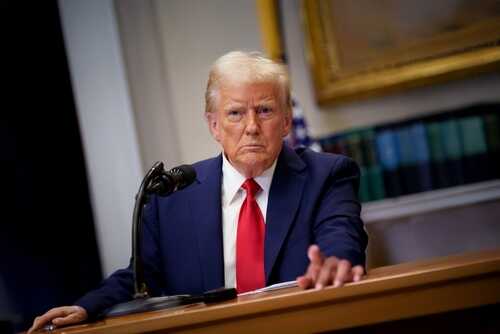
President Donald Trump officially declared the United States to be in an “armed conflict” with drug cartels after ordering direct US military strikes on suspected trafficking vessels in the Caribbean. The administration’s memo, released in early October 2025, frames drug trafficking as an act of war and designates cartel members as “unlawful combatants,” setting a new precedent for using military force against non-state criminal organizations.
This historic step bypasses the longstanding frameworks of law enforcement and counter-narcotics operations, moving the fight against cartels firmly under the law of armed conflict. By invoking military authority, Trump’s approach signals a sharp break from previous administrations, who relied on intelligence agencies and the DEA to lead anti-cartel efforts. The message to both criminal networks and the American public is clear: the days of half-measures are over, and the gloves are off in the battle to secure American borders and communities.
Background: From War on Drugs to Declared Armed Conflict
For decades, US policy battled drug cartels through law enforcement and intelligence-based operations, most notably since the “War on Drugs” began in the 1970s. While military support was occasionally used, it was always framed as counter-narcotics, not open conflict. Trump’s new doctrine, however, comes after years of mounting cartel violence, high-profile attacks against US citizens, and political frustration over porous borders and the inability of prior administrations to stem the tide of illegal drugs and violence pouring into America.
The Caribbean’s escalating role as a major drug transit route and the Trump administration’s “America First” agenda provided the backdrop for this bold escalation. Previous proposals to designate cartels as terrorist organizations stopped short of military engagement, but with this new policy, the Executive Branch sidesteps those limitations, aiming to restore order and deliver results where bureaucracy and weak-willed leadership have failed.
Constitutional Debate and the Erosion of Checks and Balances
While many supporters see the move as a long-overdue crackdown that prioritizes American safety, the policy raises profound constitutional and legal questions. Trump’s declaration sharply expands presidential war powers, igniting debate in Congress over the lack of legislative oversight and the bypassing of traditional checks on executive authority. Legal scholars and some lawmakers warn that such precedent could erode the balance of power between Congress and the President, undermining the Constitution’s design for war powers and inviting future abuses by less principled leaders.
Former Bush administration official Matthew Waxman describes the move as “a very, very far stretch of international law and a dangerous one,” pointing out that it enables targeting and detention without trial. Critics stress that blurring the line between law enforcement and military operations could threaten civil liberties and due process rights at home while also risking diplomatic fallout with regional partners.
Far-Reaching Implications: Security, Liberty, and American Values
The immediate impact is a rapid escalation of military operations in the Caribbean, with cartel members now facing direct military action. In the short term, this could disrupt trafficking routes and force criminal organizations onto the defensive. However, risks of violent retaliation, collateral damage, and strained relations with Caribbean nations are real. Over the long term, the use of military force against criminal groups blurs vital distinctions between war and law enforcement, with the potential to erode legal protections that safeguard American freedoms.
As the nation watches these developments unfold, conservative Americans are reminded that eternal vigilance is the price of liberty. While bold action against cartels may deliver overdue justice and security at the border, it also tests the boundaries of constitutional government. The coming months will reveal whether this historic policy cements a new era of American strength—or whether it triggers a lasting debate over the limits of presidential power and the preservation of the values that define our Republic.
Watch the report: Memo: U.S. in ‘armed conflict’ with drug cartels
Sources:
Trump declares drug cartels in Caribbean unlawful combatants (Click2Houston/AP, October 2, 2025)
Trump Drug Cartels War Armed Conflict Congress Legal Concerns (TIME, October 2025)
Trump: USA is now in armed conflict with cartels (Bluewin, October 2025)