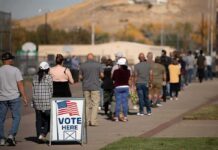


A high-profile $25 million pledge to boost Black voter outreach is under fire after a Texas civic event with 325 registrants was canceled without a new date, and organizers say promised funds never showed.
Story Highlights
- Organizers say a Black civic event was canceled with no reschedule and left them with losses.
- A Democratic operative alleges only 1–2% of pledged support arrived before communications stopped.
- The $25 million pledge was announced in July to fund church, door-knocking, and community outreach.
- The campaign cites hires and Black-owned media contracts but has not provided a full accounting.
Documented Cancellation And Organizer Backlash
Organizers with the Central Texas African American Civic Engagement Symposium said the campaign canceled an October 5 event that had 325 confirmed registrants and did not commit to a new date. An email quoted in reporting expressed “deep disappointment” over a flat cancellation and described losses the group called irrecoverable. The campaign cited illness for the absence, but organizers said rescheduling efforts never materialized. The group is still asking for answers and relief for costs linked to the scrapped gathering.
Reports tied the canceled event to the same outreach push connected to the $25 million promise. Coverage said the organization counted on the appearance and outreach momentum tied to the pledge. The loss of a headline guest lowered turnout expectations and left vendors and staff plans in limbo. While illness can derail plans, the core grievance is the lack of a new date and the claimed costs that the group says it cannot recover without campaign engagement or reimbursement steps.
The $25 Million Pledge And What Was Promised
Public reports say the campaign announced a $25 million Black voter initiative at a July event. The plan was described as the largest modern effort of its kind in Texas and aimed at door-knocking, events, church outreach, and grassroots organizing. That message told audiences the campaign would put real resources into contact work statewide to win in November. The scale and clarity of that claim raised expectations among local partners tracking dollars and deliverables for fall field operations.
Campaign-aligned reporting later highlighted steps the team said proved progress. Those steps included adding veteran Black operatives and signing Black-owned consulting firms for targeted media. The campaign also pointed to visits with churches and local Black media as evidence of activity. However, the coverage did not include a public, line-by-line accounting or contract totals. Without that documentation, outside groups said they could not confirm what part of the $25 million had reached on-the-ground partners.
Disputed Follow-Through And Alleged Funding Gaps
A named Black Democratic voice, State Representative Jolanda Jones, argued the campaign fueled white and Hispanic political infrastructure while not funding Black infrastructure. Her claim added pressure because it aligned with complaints from local organizers. She did not publish vendor lists or dollar amounts. That means the allegation points to a pattern but lacks the specific numbers needed for a final judgment. Even so, it underscores the demand for transparent budget details and recipient disclosures.
A separate operative told reporters that a local group received only about one to two percent of what was promised before communications dried up. That charge is sharp but comes from an unnamed recipient, which limits independent verification. The lack of published invoices and bank records keeps the number in dispute. Still, it adds to a picture of frustration among partners who expected direct support for voter contact during the most important stretch of the campaign calendar.
Why Accountability Matters To Voters
Voters often hear big promises during campaign season. Community groups plan events, hire staff, and book venues based on those pledges. When plans collapse, local partners face real bills. That risk is not partisan; it is structural. Here, the canceled event and the missing reschedule fed a trust problem that only clear records can fix. A simple public ledger showing recipients, dates, and amounts would answer many questions and either confirm progress or reveal gaps.
Conservative readers know this pattern well. Political machines make sweeping claims, then hide the ball when it is time to show receipts. Transparent accounting protects voters, protects donors, and respects the people on the ground doing the work. If the pledge is real and being met, the campaign can prove it by publishing a spending breakdown and naming funded partners. If not, communities deserve honesty, a reschedule for canceled events, and repayment for avoidable losses.
Sources:
pjmedia.com, townhall.com, wfin.com, houstonchronicle.com, texastribune.org, nytimes.com