

At Ground Zero’s 25th anniversary, a 9/11 widow accused U.S. leaders of shielding Saudi Arabia instead of securing justice for families.
Story Highlights
- Terry Strada told officials at Ground Zero that leaders protected Saudi Arabia, not 9/11 families.
- Families continue a civil case under the Justice Against Sponsors of Terrorism Act alleging Saudi support for hijackers.
- Official reviews said they found no evidence of institutional Saudi government involvement, a key dispute point.
- Declassified material raised questions about suspected contacts between Saudi officials and hijackers.
Strada’s Charge at Ground Zero: Leaders Chose Riyadh Over Families
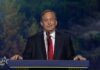
At the New York City memorial, Terry Strada, who leads 9/11 Families United, said administrations for 25 years protected Saudi Arabia instead of backing victims’ families. She told current leaders on stage to “tell the Saudis to stop lying,” and demanded accountability. Her remarks put the focus on U.S. policy choices and on whether Washington will press the kingdom for answers and records tied to support networks in the years before the attacks.
Strada’s advocacy reflects years of frustration over slow progress in court and limited declassification. Families argue that justice has been delayed by secrecy, diplomatic caution, and legal shields. They want full transparency on alleged support channels that aided the hijackers while they lived inside the United States. Their message to President Trump’s administration is direct: side with the victims, not foreign interests, and push for all remaining records to be released.
The Litigation Backbone: JASTA and the Families’ Case
The families’ legal effort rests on the Justice Against Sponsors of Terrorism Act, which opened a path to sue foreign states for aiding and abetting terrorism on American soil. The suit alleges Saudi-linked officials and entities helped the hijackers with logistics and support. Coverage shows the case has survived key hurdles and continues, keeping discovery alive. The advocacy group identifies Strada as its national chair and points to this ongoing civil route for accountability.
Reporters and legal summaries describe how the case presses for names, dates, and funding trails that could tie specific Saudi-linked actors to assistance. The goal is to turn leads into admissible proof in a U.S. courtroom. That means bank records, travel logs, and sworn testimony that connect contacts to intent and direction. Families argue that without court-ordered discovery, the public record will stay partial and justice out of reach.
The Evidence Dispute: What Investigations Said and What Declassified Files Suggest
Public records show that 15 of the 19 hijackers were Saudi nationals, a fact long cited for context. Yet the 9/11 Commission and later reviews were reported as finding no evidence that the Saudi government as an institution or senior officials funded or directed the attacks. That conclusion remains the main counterpoint to the families’ broad claim of state culpability and shapes how many in government frame the issue today.
Declassified and summarized materials have described suspected contacts between certain Saudi officials and the hijackers, including claims that some officials were believed by intelligence sources to have helped them. Those reports raise serious questions but stop short of a final, adjudicated link to official state direction of the plot. This gap between suspicion and courtroom proof is why the families push for full disclosure and sworn testimony under JASTA.
What the Kingdom Says: Categorical Denial and Reliance on Official Findings
Saudi Arabia’s Embassy states that no evidence has ever shown the Saudi government or its officials had prior knowledge of, or took part in, planning or executing the attacks. The kingdom calls allegations of complicity categorically false. Saudi communications also point to the 9/11 Commission’s “no evidence” finding and claim that declassified material, including the “28 pages,” did not change that bottom line, reinforcing their public defense.
This firm denial underscores the central conflict. Families say the record is incomplete and that discovery points to facilitation that deserves judgment in court. Saudi officials say the core claim fails on evidence. The divide will narrow only if U.S. leaders secure full transparency, allow the case to reach trial, and make clear that no government, ally or not, sits above American law. That is the accountability standard the families asked to see honored at Ground Zero.
Sources:
feedpress.me, 911familiesunited.org, northjersey.com, newsmax.com, abc11.com, news.bbc.co.uk, brookings.edu, courthousenews.com, thehill.com