As a brutal D.C. heat wave hammered Trump’s Great American State Fair, seven attendees reportedly needed advanced life support, while media critics rushed to brand the patriotic showcase a “fair fail” instead of a heat emergency.
Story Snapshot
- Extreme heat forced a temporary shutdown of Trump’s Great American State Fair and delayed key Freedom250 events.
- Multiple attendees suffered heat-related illness; reports say at least three were hospitalized and some needed advanced life support.
- Media outlets fixated on “embarrassment” and partisan attacks, downplaying broader heat dangers and complex safety tradeoffs.
- Evidence shows both real gaps in cooling and water access and real efforts to adjust schedules and deploy medical help.
Heat Wave Turns Patriotic Fair Into Medical Emergency
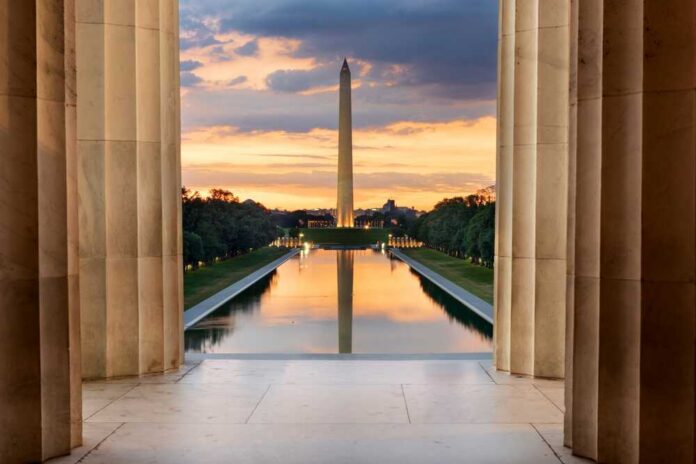
The Great American State Fair on the National Mall was hit by a severe heat wave that pushed organizers into crisis-mode decisions. President Trump’s Freedom250 team had promoted the fair as part of a sweeping celebration of America’s 250th birthday. By Friday afternoon, organizers announced a temporary shutdown to cut crowd exposure to dangerous temperatures, reopening after the sun lowered and conditions eased. This was not a political stunt; this was a direct response to real medical emergencies unfolding on the grounds.
Reports from the scene describe attendees suffering heat exhaustion and other heat-related problems. Video on social media showed people being carried away on stretchers as medical staff worked to cool them down. A widely shared post claimed seven fairgoers required advanced life support and noted at least three people were hospitalized, with “dozens more” battling heat illness. While exact numbers still need full official confirmation, these accounts match what doctors warn about when crowds stand for hours on hot pavement with limited shade and high humidity.
Cooling Gaps, Power Problems, And Limited Water Access
Despite Freedom250’s promises of “enhanced cooling,” some basic comfort and safety measures clearly fell short. One striking example came from the Virginia pavilion, which posted a sign saying it was closed due to “extreme heat and lack of air conditioning,” undercutting any claim that all state booths had proper cooling. Attendees told local reporters that many booths they visited had no air conditioning at all, leaving older visitors and families to cope with stifling indoor heat. In a city where summer temperatures often soar past safe limits, these gaps matter.
Out on the fairgrounds, water access was also tighter than many expected. A Washington report said organizers set up only five water stations around the massive Mall footprint and allowed each visitor to bring just one sealed bottle. On a normal day that might feel annoying. Under an extreme heat advisory, it can be dangerous, especially for seniors, kids, and people on certain medications. When you combine long walks, security lines, direct sun, and crowded tents with limited cold water, the risk of heat exhaustion spikes quickly.
Organizers Did Adjust Schedules And Deploy Medical Help
While critics on cable news painted the fair as pure incompetence, the record shows organizers did make some real-time safety adjustments. A rodeo event scheduled for Thursday was postponed when temperatures became unsafe for both spectators and participants. On July 4, entry to the evening “Salute to America” program was delayed until 5 p.m., two hours before the 7 p.m. start, specifically to keep people from standing out in peak afternoon heat. These changes frustrated some attendees, but they reflect the reality that extreme heat can force even patriotic celebrations to bend to common sense.
First responders and onsite medical teams were visibly active throughout the day. Video from organizers’ own channels showed responders treating people for heat exhaustion and moving them to shaded or cooled areas. That aligns with national guidance that urges quick action when someone shows symptoms like confusion, dizziness, or loss of consciousness. The fact that several patients needed advanced life support does not mean there was no medical plan; it means the weather pushed some attendees past their limits and clinicians had to use every tool they had to keep them alive.
Media Framing: Heat Crisis Or “Trump Fair Fail”?
Mainstream outlets quickly framed the fair as a political embarrassment rather than a tough safety challenge in a dangerous heat wave. Coverage from Forbes, national cable channels, and liberal-leaning digital networks leaned heavily on phrases like “fair fail” and highlighted power problems, shut-down rides, and low attendance as proof that Trump’s vision had flopped. Many reports called the fair “the greatest Trump rally in history” in a mocking tone, rather than a national anniversary event meant to showcase all fifty states. That framing may please partisan audiences but does little to explain the real public safety story.
The broader context matters for anyone who cares about honest reporting and limited, accountable government. Studies now show that extreme heat drives tens of thousands of injuries each year in the United States, across both outdoor and indoor settings, as workers and event staff struggle in unsafe temperatures. International health agencies warn that heat stress has become one of the leading weather-related killers worldwide, even though most heat impacts can be prevented with clear, practical rules on water, shade, rest, and emergency response. That means heat management at major events is a serious policy issue, not a punchline.
What Conservatives Should Watch Going Forward
For constitutional conservatives and Trump supporters, this episode raises two separate questions. First, how should the federal government balance liberty and responsibility when it hosts huge outdoor events in dangerous weather? Patriots want crowds free to celebrate, but they also expect basic competence in providing cooling, water, and medical backup. Second, how much can we trust media that treats every Trump-linked event as a failure before it even starts? The same networks that cheer massive spending, open borders, and “climate” regulations often use heat emergencies as one more weapon in their political narrative rather than an occasion for sober, fact-based discussion.
There are clear lessons here that fit conservative values. Freedom250 and its vendors need transparent operational plans showing where cooling systems, water stations, and medical teams are located so citizens can judge performance for themselves, not through filtered talking points. If corporate donors or contractors cut corners on safety, they should answer tough questions from Congress and the public, not hide behind spin. At the same time, responsible patriots should recognize that extreme heat is a real, growing threat at large gatherings and insist on serious planning that protects families without turning every event into an excuse for new permanent federal mandates.
Sources:
mediaite.com, forbes.com, instagram.com, facebook.com, nbcnews.com, usatoday.com, wjla.com, groundworkcollaborative.org, pmc.ncbi.nlm.nih.gov, publichealth.gwu.edu, injuryfacts.nsc.org