
Hollywood’s loudest anti-Trump voices are suddenly quieter—just as a high-stakes media merger and federal regulators could reshape what Americans see and hear.
Story Snapshot
- Hollywood is showing selective activism: prominent celebrities criticize immigration enforcement, while major studios and award institutions keep a lower political profile.
- A proposed Paramount acquisition of Warner Bros. is under regulatory review, with California Attorney General Rob Bonta saying the deal is “not a done deal” and promising a vigorous review.
- Lawmakers are investigating whether a $16 million Paramount settlement tied to Trump’s lawsuit amounted to an improper attempt to influence FCC approval—an allegation Paramount and the FCC deny.
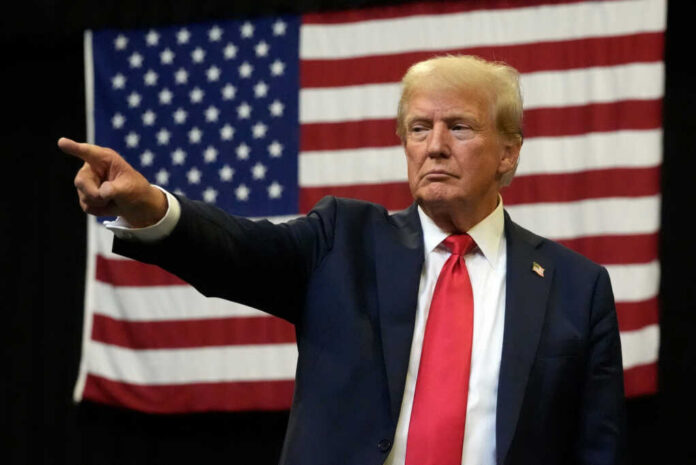
- President Trump publicly said it was “imperative” that CNN be sold as part of any Warner Bros. deal, fueling concerns about political pressure around media ownership.
Hollywood’s Two-Track Response: Loud Pins, Quiet Power Centers
Hollywood’s public posture in early 2026 has been split between visible, individual protest and cautious institutional restraint. At the January 11 Golden Globes, dozens of celebrities wore “BE GOOD” and “ICE OUT” pins tied to opposition to Trump administration immigration policies, and some spoke to reporters about immigration enforcement before the ceremony. Yet the show itself avoided becoming a sustained political rally, reflecting a noticeable gap between celebrity gestures and industry leadership’s silence.
That split matters because entertainment isn’t only culture—it is also corporate power, leverage, and regulation. When studios, award producers, and top executives avoid direct confrontation, the result is a carefully managed message: symbolic activism that satisfies parts of the industry’s base while minimizing business risk. For Americans who value free expression, the bigger question isn’t whether actors wear protest pins; it’s whether political pressure and regulatory gamesmanship are creeping into how media companies are allowed to operate.
The Paramount–Warner Bros. Deal Puts Regulators—and Viewers—at Center Stage
The proposed Paramount acquisition of Warner Bros. remains in flux, with a shareholder vote scheduled for March 20, 2026, and multiple layers of scrutiny continuing. California Attorney General Rob Bonta confirmed his office is investigating and stressed the deal “is not a done deal.” Separately, Republican attorneys general from 11 states urged U.S. Attorney General Pam Bondi to examine Netflix’s proposed acquisition of Warner Bros., highlighting how politically charged and fragmented the regulatory environment has become.
For families already exhausted by years of elite institutions preaching politics while demanding deference, the practical stakes are straightforward: consolidation can reduce competition and narrow consumer choice. Fewer major studios and fewer independent decision-makers can mean fewer alternatives when viewers want entertainment that isn’t drenched in ideological messaging. It emphasizes uncertainty and anxiety among Hollywood workers about layoffs and disruption, a reminder that corporate consolidation often hits everyday employees first.
The $16 Million Settlement and “Bribe” Allegations: What’s Known and What’s Disputed
A central controversy involves a $16 million settlement Paramount agreed to pay to resolve Trump’s lawsuit against CBS News over a “60 Minutes” interview with Kamala Harris. After the Federal Communications Commission approved the Skydance-Paramount transaction, some lawmakers questioned whether the settlement functioned as an improper inducement. Representatives Frank Pallone Jr. and Jamie Raskin opened an investigation framing the settlement as a possible “illegal bribe,” while Paramount and the FCC have denied that characterization.
The key limitation is that it does not establish a proven quid pro quo—only that investigators see enough smoke to ask for documents and answers, and that the targeted entities reject the premise. Conservatives who care about constitutional governance should treat this carefully: independent regulators are essential, but so is due process. The facts support scrutiny and transparency, not predetermined conclusions, especially when political opponents are eager to label routine legal settlements as corruption.
CNN, Presidential Comments, and the First Amendment Pressure Test
President Trump’s comment that it was “imperative” CNN be sold as part of any Warner Bros. deal set off alarms among lawmakers and industry observers about political interference in media ownership. Even when a president is voicing an opinion rather than issuing an order, the modern regulatory state makes informal influence a real concern, because agencies control approvals that can make or break mergers. This is where the story shifts from celebrity theater to institutional power and constitutional sensitivities.
El País reported that TV and comedy have been more willing than film and award institutions to confront Trump directly, with the White House dismissing South Park’s criticism and a spokesperson saying “The left has no authentic or original content” and that the show “hasn’t been relevant for over 20 years.” Meanwhile, an academic quoted in that report described a longstanding “shadow process” in Hollywood that can chill speech through hiring and blacklisting fears. The net effect is an industry that signals politics selectively—safe targets, safe venues, and carefully chosen moments.
Sources:
Horrifying’: Hollywood blasts Trump’s role in studio sale
Hollywood takes a stand: Celebrities call out Trump administration at 2026 Golden Globe Awards
As Hollywood holds back, television pushes back against Trump 2.0
Hollywood stars boycott Israeli film companies over Gaza crisis