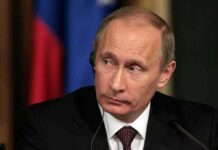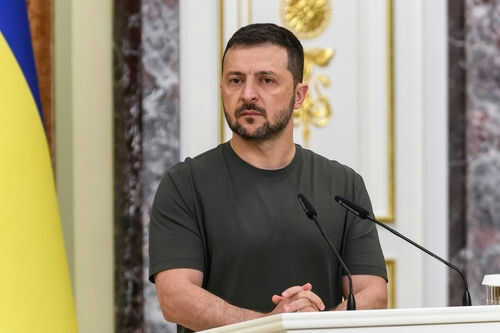
As winter approaches and energy markets tighten again, Ukraine’s president is warning of massive new Russian strikes while quietly pushing Washington and Moscow toward fresh peace talks that could redraw the map of Eastern Europe.
Story Snapshot
- Ukrainian President Volodymyr Zelenskyy is publicly warning of imminent large-scale Russian attacks using drones and missiles.
- Zelenskyy is simultaneously urging “more pressure” on Vladimir Putin to force serious peace talks before winter bites.[1][3]
- Negotiations now center on security guarantees and territory, with talk of future United States–Ukraine–Russia meetings abroad.[2][5]
- For American taxpayers and energy consumers, the outcome may decide future war funding, gas prices, and Europe’s security bill.
Zelenskyy’s Warning Of Imminent Russian Strikes
Ukrainian President Volodymyr Zelenskyy used a high-profile interview on “Face the Nation” to claim his government has intelligence that Russia is preparing a new “massive attack” on Ukraine within hours.[1][3][4] He told moderator Margaret Brennan that Ukraine expects “big attack from Russian side using drones, using cruise missiles, and ballistic” weapons and that his services “see the preparation” for strikes potentially targeting Kyiv and government infrastructure.[1][3][4] He warned Ukrainian civilians, especially families with children, to be “very, very careful” and to use bomb shelters because “today night or tomorrow night” there is a “high percent” chance of an attack, even if no intelligence can ever be “100%.”[4]
CBS News framed the interview around fears that Russia could launch a large strike package on Kyiv, possibly including the presidential office and government buildings.[1][3][4] The broadcast highlighted that Ukrainian sources expect the looming barrage to combine Iranian-style drones with modern cruise and ballistic missiles, a mix designed to overwhelm air defenses and pressure political leadership in the capital.[1][3][4] Zelenskyy tied this warning directly to his appeal for more Western air defense systems, arguing that without additional missile interceptors, Russian forces would continue exploiting gaps and force more blackouts on cities as temperatures drop.[1][3][4]
“More Pressure” On Putin And The Push For Negotiations
Alongside the threat warning, Zelenskyy openly argued that only “more pressure” on Russian President Vladimir Putin will bring Moscow to the negotiating table for a serious peace deal.[1][3] He told “Face the Nation” that he is “ready to speak bilaterally with Russia” and “ready to meet with Putin if he will be ready,” but insisted that Russia so far has not demonstrated genuine seriousness about peace.[1] His comments fit a broader pattern in which Ukrainian leaders link public warnings about escalation to loud calls for more weapons, tighter sanctions, and political backing from Western allies.[1][3]
Recent reports from European and United States outlets describe a parallel diplomatic track developing behind the scenes.[2][3][5] Coverage of meetings in Switzerland notes that Ukrainian and United States negotiators have been drafting security guarantees for Ukraine as part of a framework to end fighting, while Zelenskyy publicly says territory is the “main issue to be discussed.”[2][5] Radio Free Europe reporting states that Zelenskyy expects a future trilateral session with the United States and Russia, likely in Abu Dhabi, after previous United States–Ukraine–Russia talks in Geneva were described as “difficult” in areas but showing “progress” in others.[2][5] These accounts confirm that, while battlefield rhetoric remains tough, all sides are testing what a negotiated endgame might look like.
What Winter Peace Talks Could Mean For American Conservatives
For Americans watching from afar, especially those tired of endless foreign spending, these developments raise direct questions about cost, stability, and constitutional priorities. The same CBS interview where Zelenskyy warned of attacks also showed him pressing for additional American air defense systems and faster production of anti-ballistic missiles, arguing current output is too low to meet Ukraine’s needs.[1][3][4] Every new shipment means more taxpayer dollars and more strain on an American defense industrial base that many conservatives believe should first prioritize domestic readiness and the Pacific theater.
Reports on the Geneva meetings underscore that territory and security guarantees lie at the heart of any eventual settlement, not open-ended war aims.[2][5] That reality matters for American voters who want clear objectives before sending more money or hardware overseas. If talks in Abu Dhabi or other venues move forward, the Trump administration will face choices about how hard to press for a deal that locks in Ukrainian sovereignty without dragging the United States into permanent financial or military commitments. For a conservative audience, the core issues are familiar: avoiding blank-check interventions, defending national interests and energy security, guarding the Constitution from mission creep, and making sure any peace plan aligns with American priorities rather than globalist ambitions.[2][5]
Sources:
[1] Web – Zelenskyy says “more pressure” is needed to get Putin to negotiate …
[2] YouTube – Zelenskyy warns about massive Russian attack looming, urges U.S. …
[3] Web – Zelenskyy says Ukraine is bracing for big attacks from Russia
[4] Web – Zelenskyy says Ukraine bracing for “big attacks” by Russia in next …
[5] Web – Zelenskyy says Ukraine expects massive Russian attack over …