
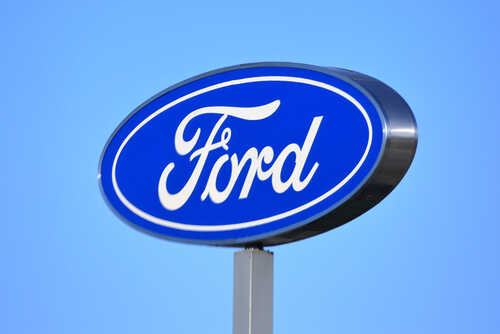
Ford’s recall of nearly 700,000 SUVs over fire risks has become an alarming case study in failed corporate oversight and regulatory incompetence, leaving American families scrambling to protect their safety and wallets.
At a Glance
- Ford is recalling 694,271 SUVs in the U.S. due to cracked fuel injectors that can leak and cause fires.
- The recall follows a year-long federal investigation into Ford’s previous, failed attempt to fix the issue with a software patch.
- The automaker projects a $570 million financial hit for the expanded recall, with further costs possible as a permanent mechanical fix is developed.
- Dealerships and owners face major disruptions as Ford scrambles to implement repairs and restore consumer trust.
Ford’s Massive SUV Recall and the Fire Hazard Americans Shouldn’t Have to Accept
Ford Motor Company is recalling a staggering 694,271 SUVs across the United States after a federal investigation revealed that their previous solution to dangerous fuel leaks was utterly ineffective. The cause of this dangerous fiasco: cracked fuel injectors supplied by Dumarey Flowmotion Technologies from Italy—components that leak gasoline onto hot engine parts, turning family vehicles into potential fireballs. This isn’t Ford’s first brush with catastrophic recalls related to fuel systems, but families across America are rightly asking: How was this allowed to happen again?
Watch a report: Ford Recalls Nearly 700,000 SUVs Over Fire Risk.
The National Highway Traffic Safety Administration (NHTSA) spent a year investigating Ford’s 2022 software fix—a patch meant only to alert drivers about leaks, not stop them. When fires persisted in supposedly repaired vehicles, regulators stepped in, forcing Ford to admit the scale of the issue. Now, Ford promises yet another software update and eventually, a mechanical fix, leaving families and dealers in limbo, facing major disruptions and lingering fears about vehicle safety.
The Timeline of Failure: How Ford and Regulators Let This Happen
The path to today’s massive recall reveals a series of troubling missteps. Ford’s initial response in 2022—a mere software warning—proved dangerously inadequate as SUVs continued catching fire even after receiving the “fix.” By July 16, 2025, federal regulators had seen enough, compelling Ford to recall nearly 700,000 SUVs, including popular models like the Escape and Bronco Sport. Dealers are currently tasked with applying another temporary software patch while a permanent hardware solution is still months away, leaving vehicle owners facing uncertainty, inconvenience, and diminished confidence in the safety of their vehicles.
Ford’s track record provides little reassurance. In a separate incident just last year, the automaker recalled specific 2023–2025 Escape and 2025 Bronco Sport models due to oil leaks causing similar fire risks. The repeated pattern of incomplete fixes and insufficient oversight has not gone unnoticed—Ford’s stock price dropped 3.1% immediately after announcing the recall, with projected costs already topping $570 million. Experts suggest the true financial damage may climb higher if Ford struggles with its promised mechanical fix, further eroding both consumer confidence and shareholder patience.
Who Pays the Price? American Families and Ford’s Frayed Reputation
This recall represents far more than a technical glitch—it exposes chronic failures in corporate responsibility and government oversight that repeatedly put American families at risk. Ford, the NHTSA, and suppliers may point fingers at each other, but the brunt of the burden falls on vehicle owners forced into dealerships for repairs they hoped to avoid. For dealers nationwide, the recall means overwhelmed service departments, potential part shortages, and a surge of frustrated customers demanding answers.
Beyond financial costs, Ford faces severe reputational damage. Each recall chips away at trust built over generations, especially in an era when hybrid and plug-in hybrid vehicles—now central to this crisis—are marketed as safe, reliable solutions to environmental challenges. Instead, the public is confronted with vehicles that seem rushed to market without adequate safety validation.
As Ford grapples with the fallout, consumers rightly wonder if their safety is genuinely prioritized, or if corporate shortcuts and inadequate oversight have become the new normal. Until Ford provides a lasting solution, American families will remain stuck paying the price for corporate negligence and regulatory failures, anxiously awaiting the next recall notice.