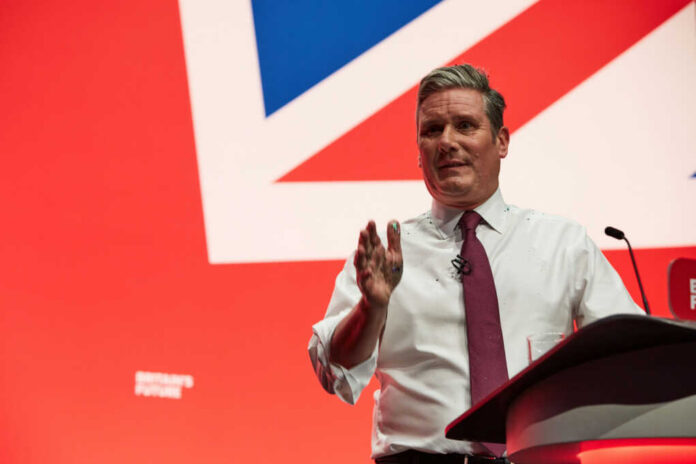
Britain’s Labour government is facing a credibility crisis after newly released Epstein-related documents reignited questions about why Keir Starmer’s team pushed a politically radioactive insider into a top U.S. post.
Story Snapshot
- New U.S. Justice Department document releases in early 2026 revived scrutiny of Peter Mandelson’s post-conviction ties to Jeffrey Epstein and alleged information sharing in 2009.
- Reports say U.K. government due diligence flagged Mandelson’s “particularly close” Epstein relationship, yet Starmer’s government still appointed him U.S. ambassador in late 2024.
- Starmer sacked Mandelson in September 2025 as emails surfaced, with reports of a £75,000 taxpayer-funded payout.
- Starmer apologized and accepted responsibility as senior aides resigned and Labour MPs discussed whether he should step down.
Documents Trigger Fresh Questions About Vetting and Judgment
U.S. Justice Department releases in early March 2026 put Peter Mandelson’s association with Jeffrey Epstein back on the front pages, sharpening the political question for Keir Starmer: why was Mandelson elevated in the first place. Multiple reports say the material includes evidence tied to Mandelson’s continued contact with Epstein after Epstein’s 2008 conviction, plus claims that Mandelson shared sensitive, market-moving information while in government in 2009.
Those details matter because they turn a “bad look” story into a basic competence and national-security story. It points to a Cabinet Office due-diligence warning in December 2024 that described Mandelson’s Epstein ties as “particularly close” and flagged reputational risk. Despite that, Starmer’s government proceeded with a U.S.-facing appointment that would inevitably draw scrutiny from allies, the press, and the public.
How the Mandelson Appointment Became a Party-Wide Problem
Labour’s landslide victory in July 2024 gave Starmer political room to govern, but it also raised expectations for professional standards and clean, disciplined decision-making. It says Starmer’s team still moved ahead with Mandelson’s appointment in late 2024, even as security, intelligence, and political concerns were raised. Downing Street has argued the process involved delegation and denies a cover-up.
The controversy intensified because it did not remain a quiet internal argument about vetting; it became a visible chain of accountability failures. It indicates Starmer ultimately apologized and characterized the appointment as a mistake. Even if no unlawful conduct is proven against Starmer personally in the available reporting, voters typically judge leaders on judgment and standards—especially when warnings appear to have been documented and still ignored.
Resignations, a Taxpayer Payout, and the Perception of Insider Privilege
By September 2025, initial emails had surfaced and Starmer sacked Mandelson, according to multiple outlets referenced. Reports also say Mandelson received a £75,000 taxpayer-funded payout after being removed, with commentary questioning the justification. That payout became politically combustible because it fits a familiar pattern voters resent: politically connected figures getting cushy exits while ordinary families absorb the consequences of elite mistakes.
Early March 2026 brought a new wave of pressure as the document dump spurred resignations inside Starmer’s operation. It says Starmer’s chief of staff resigned and accepted blame for the recommendation, followed by the resignation of the communications director. Labour MPs reportedly began urging Starmer to consider resignation, while the party leadership tried to contain the damage and keep attention on governing.
Ethics Oversight and the Limits of “Internal Review” Politics
Ethics systems only work when the public believes they are independent and willing to confront powerful people. In this case, it notes that Starmer’s ethics adviser rejected Conservative calls for an inquiry into the Mandelson appointment. That decision may be defensible on narrow procedural grounds, but politically it can read like the kind of self-protective gatekeeping that undermines confidence in government oversight—especially when the scandal involves high-profile ties to Epstein.
Limited data leaves some key mechanics unclear, including exactly what Starmer personally reviewed in the vetting file and what replacement path would look like if party pressure escalates. What is clear from the cited reports is the timeline: warnings existed, an appointment proceeded, emails emerged, a sacking followed with a payout, and then a U.S. document release reopened the entire controversy with new intensity.
Why This Story Resonates Beyond the U.K.
For Americans who have watched years of elite institutions protecting themselves, the core issue is painfully recognizable: when leaders wave through red flags because the insider class demands it, trust collapses fast. The Epstein angle carries an added moral gravity because it involves a convicted sex offender with a long record of powerful friends and influence networks. That makes transparency and strict vetting non-negotiable in any serious government.
Starmer’s defenders say there was no cover-up and that delegation is normal, but delegation is not a substitute for accountability. The public standard is simple: when credible warnings exist, leaders are expected to act like leaders—especially for top diplomatic posts that represent a nation abroad. Whether Starmer survives politically may hinge less on legalistic defenses and more on whether voters believe his government takes ethics, security, and common sense seriously.
Sources:
How Keir Starmer could be replaced as UK leader if Epstein fallout brings him down
Keir Starmer blasted for ‘disconnect’ from ‘political reality’ over Peter Mandelson scandal
Keir Starmer, Peter Mandelson, Jeffrey Epstein: Labour under pressure after fresh revelations
Has the Mandelson scandal fatally damaged Keir Starmer’s premiership