NFL’s Controversial Picks Ignite Trump CLASH
America’s biggest game is being turned into a political megaphone again—this time with a Super Bowl lineup that’s reigniting the NFL’s long-running culture war with Trump’s voters.
Story Snapshot
- Super Bowl LX on Feb. 8, 2026 at Levi’s Stadium in Santa Clara, California features Bad Bunny headlining halftime, with Green Day and Brandi Carlile in pre-game slots.
- The bookings are controversial because the featured artists have publicly criticized President Trump and his immigration enforcement agenda, including ICE.
- Trump allies announced a competing “All-American Halftime Show” featuring Kid Rock and other country artists, positioned around “faith, family, freedom.”
- NFL leadership has defended the selections as mainstream entertainment with broad appeal, even as political backlash builds.
Super Bowl LX entertainment lineup triggers a fresh political flashpoint
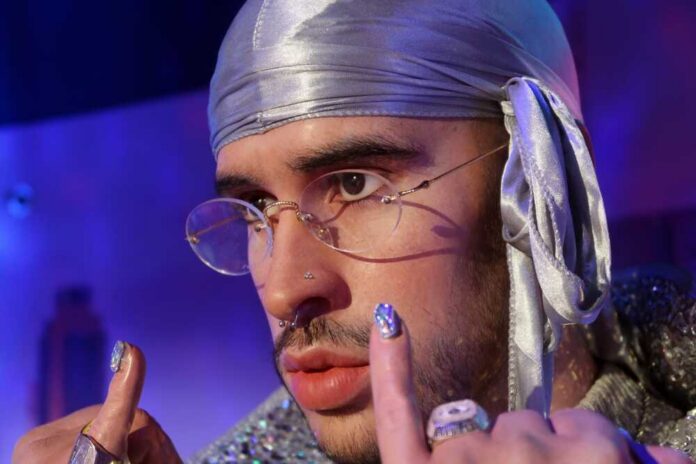
Super Bowl LX is set for February 8, 2026, at Levi’s Stadium in Santa Clara, California, with the Seattle Seahawks facing the New England Patriots. The pre-game and halftime entertainment lineup has become the main off-field story: Bad Bunny is the announced halftime headliner, while Green Day is slated for a pre-game performance and Brandi Carlile is scheduled to sing “America the Beautiful.” The controversy stems from the artists’ public political positioning, not their chart success.
Bad Bunny’s selection drew intensified backlash after his halftime role became public in late 2025, as critics highlighted his vocal opposition to Trump-era immigration policies and his references to ICE in public remarks. Green Day’s long-running anti-Trump posture has included altering lyrics in high-profile performances to mock Trump and prominent Republicans, keeping the band’s politics front-and-center. Carlile’s past comments about Trump voters and her political themes in songwriting also sharpen the sense that the NFL is leaning into cultural signaling.
Tonight, Bad Bunny (@sanbenito) makes history as he takes the stage for the Super Bowl halftime show.
Rolling Stone's @mayaxgeorgi breaks down all the historic elements of the Album of the Year-winner's upcoming set 🇵🇷 pic.twitter.com/9HwZcXAVvY
— Rolling Stone (@RollingStone) February 8, 2026
Why immigration and ICE rhetoric is driving the outrage
Immigration enforcement is a pressure point in Trump’s second term, and that makes the Super Bowl stage unusually combustible. The performers at the center of the debate have tied their activism to immigration and enforcement imagery, which supporters of stronger border policy view as an attempt to shame or delegitimize lawful federal action. In the research summary, allies of Trump have also warned about “ICE optics” at or around the stadium, underscoring how quickly entertainment can become a proxy battle over enforcement and sovereignty.
The NFL’s decision-making is also being interpreted through the location. Levi’s Stadium sits in liberal California, a setting that critics say encourages elite cultural messaging while ignoring how many fans want the game to remain a unifying national event. At the same time, the available reporting does not provide evidence of any formal NFL political endorsement; what’s clear is that the league’s selection choices predictably amplify division because the artists’ public records are easy to verify and widely publicized.
The counter-programming: a parallel “All-American Halftime Show”
Trump allies announced an “All-American Halftime Show” on February 2, 2026, designed to run opposite the NFL’s halftime window and marketed around “faith, family, freedom.” Kid Rock is positioned as the headliner, alongside other country acts such as Brantley Gilbert, Gabby Barrett, and Lee Brice, according to the research. Kid Rock has framed the effort as an underdog challenge to the NFL’s “big machine,” while supporters cast it as a response to what they see as relentless politicization of pop culture institutions.
Based on the provided reporting, the competing show appears built less around stopping the NFL and more around giving viewers an alternative that aligns with traditional, patriotic branding. That matters because it signals a shift from complaints to consumer choice: if enough viewers tune out the halftime show, league executives and sponsors will see hard numbers rather than social-media anger. The research also notes uncertainty around exact airing details, a reminder that some practical information may still be fluid on game day.
NFL leadership defends bookings as “unifying” while fans grow more skeptical
NFL Commissioner Roger Goodell has defended Bad Bunny as a major artist with broad appeal, presenting the booking as mainstream entertainment rather than politics. That position mirrors the league’s recent pattern: emphasizing reach, ratings, and global star power even when a segment of the audience hears ideological messaging. France 24, cited in the research, frames the moment as another step in the Super Bowl becoming “more political than ever,” recalling earlier NFL controversies that followed the national anthem protest era.
For many conservative fans, the core frustration is not that artists have opinions, but that the nation’s biggest sports stage keeps drifting into cultural combat while families are just trying to watch a game. The reporting also indicates President Trump called the lineup “completely absurd” and planned to skip attending, which is a political signal of its own. What remains unclear from the sources is how much of the night will stay focused on football—and how much will be shaped by performative activism and backlash.
Sources:
Anti-Trump performers litter Super Bowl LX in California