

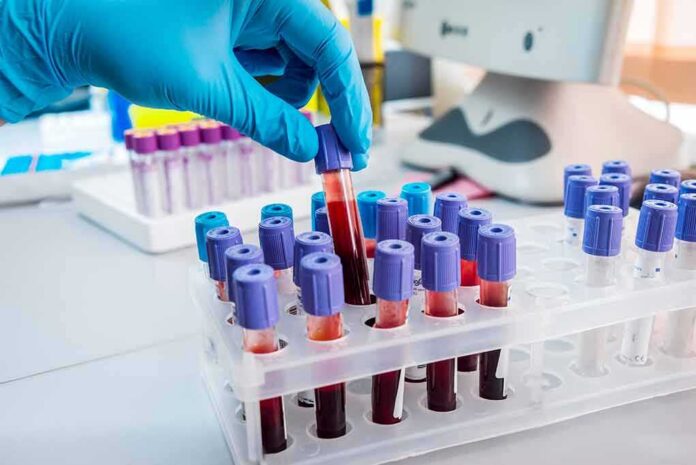
Charities say myths and low awareness are keeping UK men from simple blood tests that could spot prostate cancer earlier.
Story Highlights
- Most UK adults reportedly have never heard of the prostate specific antigen blood test.
- Many higher-risk men do not see themselves as high risk and delay checks.
- Studies cite fear, confusion, and stigma about exams as major barriers.
- The United Kingdom still has no national screening program for prostate cancer.
Charities Warn Misconceptions Block Early, Simple Checks
Prostate Cancer UK reports that 63 percent of the United Kingdom have never heard of the prostate specific antigen blood test, a basic check that can flag risk and prompt further review. The charity also says many men at higher than average risk do not recognize it, which can lead to late diagnoses that are harder to treat. Charities argue that clearer messages about risk and testing routes could drive earlier conversations and save lives through timely care.
Researchers who spoke with men about screening found a common theme: if they had no urinary symptoms, no family history, or felt healthy, they assumed they were safe and did not seek testing. Some men feared a cancer diagnosis itself. Others were embarrassed about the digital rectal exam, or unsure what screening even involved. These barriers kept men from booking a simple blood test first, which many believed was always invasive, even when it was not.
Stigma And Confusion Around Exams Fuel Delay
A review of men’s views found some avoided checks because they saw the rectal exam as sexual in nature, which added shame and stopped action. A scoping review on stigma reported that some Black communities faced extra pressure, avoiding talks about the disease and the rectal exam due to sexuality concerns. These social barriers, stacked on fear of bad news, kept men from even starting with a blood draw that could guide next steps without an invasive exam.
Prostate Cancer UK adds that confusion runs deep. Almost half of surveyed men aged fifty to seventy who had not checked their risk thought a rectal exam was needed to get tested. The charity also says most men assumed routine health checks already include prostate cancer tests, which they do not. When men think their doctor will automatically flag the issue, they do not raise it themselves. That silence costs time, and with prostate cancer, time matters.
No National Screening Program Means Messaging Matters
The National Health Service states that prostate cancer often has no symptoms early on, so men can feel fine while risk quietly grows. At the same time, the United Kingdom has no national screening program for the disease, so there is no automatic invite for testing through the system. That leaves gap-filling to charities, local drives, and one-on-one talks with general practitioners, where clear, plain guidance can prompt the first, simple blood test.
For readers in the United States, there is a practical takeaway. Do not wait for symptoms. Talk with your doctor about your personal risk, family history, and the role of a prostate specific antigen blood test. In the UK, charities push this message because many men still believe screening always starts with an invasive exam. The research shows that myth keeps men away. A short talk and a blood draw can start a smarter, step-by-step process that respects choice and facts.
Sources:
pmc.ncbi.nlm.nih.gov, spsa.uk, prostatecanceruk.org, prostate-project.org.uk