Christians marking Palm Sunday in Nigeria were gunned down by motorcycle-riding attackers as local residents say the state could not—or would not—stop the bloodshed.
Story Snapshot
- Gunmen on motorcycles attacked student-heavy neighborhoods in Jos, Plateau State, on Palm Sunday, March 29, 2026, killing at least 10 Christians, with higher figures circulating but unconfirmed.
- Residents and reporting sources disagreed on who carried out the attacks, with some blaming Boko Haram while others pointed to Fulani militia amid ongoing herder-farmer violence.
- Authorities had not issued a definitive public account of attacker identity or the death toll at the time of early reporting, fueling anger and distrust.
- Protests reportedly broke out despite curfews, and security forces used tear gas to disperse crowds, deepening tensions after the killings.
Palm Sunday Attack Hits Jos Student Communities
Gunmen riding motorcycles struck multiple areas of Jos in Nigeria’s Plateau State late on Palm Sunday, March 29, 2026, targeting places described as student-populated and residential. Reports cited attacks around Angwa Rukuba Junction, Eto Baba, and nearby zones, with sporadic shooting, injuries, and fires. A humanitarian worker, Alex Barbir, said at least 10 Christians were confirmed killed based on video evidence, while other casualty claims remained unverified.
Gunmen on Bikes Kill Dozens in Palm Sunday Nigerian Massacrehttps://t.co/U2eF3ktW1i
— RedState (@RedState) March 30, 2026
Witness accounts described the attackers arriving quickly, shooting, and then withdrawing toward mountainous areas outside the city. Residents said fear spread rapidly across neighborhoods where many students live, and advisories circulated urging people to stay indoors and limit movement. Early accounts also noted the absence of an immediate official security response or a definitive statement identifying the assailants, leaving locals to rely on firsthand reports and fragmented updates.
Who Did It? Boko Haram Claims vs. Fulani Militia Pattern
Accounts differed on who carried out the Palm Sunday killings. Some residents reportedly suspected Boko Haram, an Islamist terror group with a history of mass-casualty attacks, while other sources described the perpetrators as Fulani militia or “Muslim gunmen” tied to recurring herder-farmer violence. That dispute matters because it shapes the likely motive—ideological terrorism versus a brutal blend of land, water, ethnic, and religious conflict that has repeatedly turned deadly in Plateau State.
Background reporting pointed to sustained violence since late March 2025, with watchdog and community sources describing repeated attacks on Plateau communities, widespread home destruction, and thousands displaced. Prior Palm Sunday violence in the region added to the shock of another Holy Week attack. Open Doors-linked reporting and other coverage emphasized patterns of Christian communities being targeted, while also acknowledging that definitive attribution is often complicated by limited official transparency and the speed of rural-urban raids.
Government Silence, Curfews, and Protests After the Killings
Early reporting noted no immediate official security statement on the 2026 Jos incident’s death toll or attacker identity, a gap that often intensifies rumors and hardens community distrust. Nigeria’s federal leadership has condemned previous Plateau violence and ordered probes, but the Jos reports underscored a familiar complaint: investigations are announced while communities still feel exposed. For families burying the dead, the key question is basic—who is responsible, and will anyone be arrested?
Security Crackdowns Collide With Community Grief
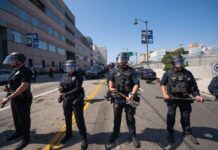
After the Palm Sunday attacks, protests reportedly erupted in Plateau despite curfews, with residents describing fear that police might use live fire. Security forces dispersed crowds with tear gas, according to coverage of the demonstrations. That sequence—mass killing, public outrage, then forceful crowd control—can worsen mistrust even when authorities claim they are restoring order. The immediate challenge is stopping follow-on reprisals while establishing credible facts about casualties and perpetrators.
Gunmen on Bikes Kill Dozens in Palm Sunday Nigerian Massacre https://t.co/bf8ysNe4sJ
— Frànk Scherrer (@FrankieScherrer) March 30, 2026
For American readers watching from afar, the story is a reminder that Christian persecution and state incapacity can overlap in ways that leave ordinary families defenseless. Reporting to date still contains major uncertainties, especially on the final death toll and the attackers’ confirmed identity, because early accounts lacked an authoritative official update. What is clear is that a major Christian holy day became the setting for another mass-casualty attack in a region already scarred by repeated cycles of violence.