

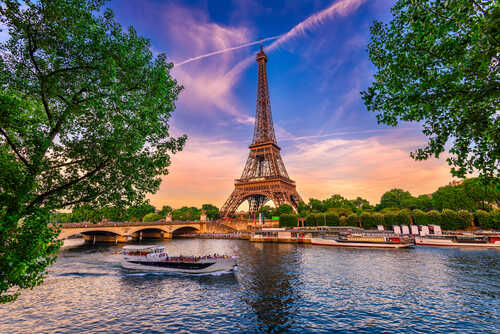
For the first time since 1923, Parisians are legally swimming in the Seine, thanks to a €1.4 billion infrastructure overhaul linked to the 2024 Olympics that transformed the once-polluted river into a string of guarded, test-monitored bathing zones.
At a Glance
- Paris launched three supervised swim sites in the Seine on July 5.
- The initiative follows a €1.4 billion river cleanup connected to the 2024 Olympic Games.
- Up to 1,000 people per day can swim at designated zones through August 31.
- Sites include lifeguards, real-time water testing, and flag-based safety systems.
- Officials warn that heavy rain could trigger sudden closures due to contamination.
A Ban Lifted, a River Reborn
After more than a century of prohibition, the Seine has officially reopened for public swimming, following years of skepticism about whether the Olympic river cleanup could truly make it safe. Officials confirmed that the project—begun as a mandate to host open-water events in the 2024 Games—delivered modern filtration, diverted sewage, and restored microbiological balance.
Watch a feature: Paris opens Seine River for public swimming
City planners installed overflow basins to prevent untreated runoff from entering the river during storms—an issue that previously made even brief exposure hazardous. Public access began at three pilot zones: Bras Marie, Grenelle, and Bercy, with floating docks, lifeguards, and digital flag signals tied to daily lab results.
Summer Surge or Environmental Gamble?
Opening day saw over 3,000 swimmers, some plunging in beneath Notre Dame and Eiffel Tower views. Paris Deputy Mayor Pierre Rabadan told reporters that the river will undergo daily testing for E. coli and enterococci, and the zones will close temporarily if bacterial levels rise above EU limits.
But questions remain. Meteorologists warn that even moderate rainfall could overwhelm the system’s holding tanks, forcing sudden bans. According to The Guardian, the city is betting on a dry July to avoid what would be a politically embarrassing rollback.
Still, the project has inspired other European cities to consider similar transformations, linking flood resilience with urban leisure access. Paris officials say they plan to open at least 13 more zones by 2030, aiming to redefine rivers as civic assets—not hazards.