
A U.S.-Lebanese citizen with deep family ties to Hezbollah terrorists rammed a truck into a Michigan synagogue preschool, exposing catastrophic failures in America’s border security that President Trump is now racing to fix.
Story Snapshot
- Ayman Mohamad Ghazali, flagged in U.S. databases for Hezbollah links, attacked Temple Israel synagogue on March 12, 2026, just days after Israel killed his terrorist brother.
- Ghazali’s brother Ibrahim commanded Hezbollah’s Badr Unit, launching rockets at Israeli civilians, yet U.S. authorities failed to stop the domestic assault.
- Under President Trump’s leadership, decisive actions secure borders and deport threats, contrasting past lax policies that allowed flagged radicals to roam free.
- Attack highlights urgent need for stricter vetting to protect Jewish communities and all Americans from foreign terror infiltration.
Details of the Michigan Synagogue Attack
On March 12, 2026, Ayman Mohamad Ghazali drove a pickup truck loaded with fireworks and gasoline into Temple Israel synagogue and preschool in West Bloomfield, Michigan. The vehicle ignited a fire, and Ghazali shot himself during a confrontation with an armed security guard. This direct assault on a house of worship and children underscores vulnerabilities in domestic security. Federal databases had previously flagged Ghazali for Hezbollah connections from his overseas travels, yet he remained free to act.
Hezbollah Family Ties and Retaliatory Motive
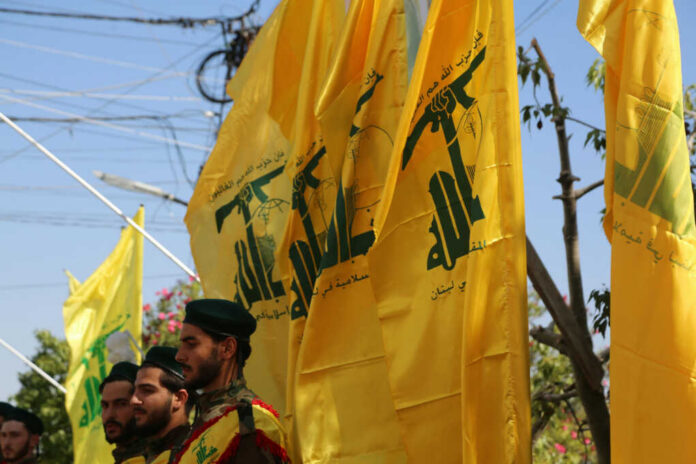
Ghazali’s brother, Ibrahim Muhammad Ghazali, served as a commander in Hezbollah’s Badr Unit, managing weapons operations and rocket launches against Israeli civilians. Israeli Defense Forces eliminated Ibrahim in an airstrike on March 5, 2026, in Lebanon, also killing another brother and two young relatives. The timing—seven days later—points to retaliation amid escalating U.S.-Israeli operations against Iran-backed Hezbollah. U.S. investigators confirmed Ghazali faced repeated questioning upon returning from Lebanon but evaded full restrictions.
U.S. Intelligence Failures Exposed
FBI and DHS had noted Ghazali’s ties to suspected Hezbollah members, yet deemed him non-operational, allowing the attack. This lapse raises alarms about surveillance gaps for dual citizens with terrorist family links. Community sources reported Ghazali withdrew socially after the strikes, isolating at home. Ongoing probes examine direct Hezbollah direction or inspiration. Such oversights under prior lax policies endangered American soil, fueling demands for accountability.
President Trump’s administration now enforces zero-tolerance, revoking visas for security risks and expanding deportations. Over 675,000 criminals have been removed since taking office, ending catch-and-release that let threats like Ghazali slip through. Border walls expand, National Guard deploys, and ICE doubles efforts—real victories protecting families from radical imports.
Broader Security and Geopolitical Ramifications
The incident intersects Middle East conflicts with U.S. streets, as Hezbollah proxies extend reach via family networks. Jewish communities nationwide heighten alerts, while Michigan’s Lebanese-Americans face scrutiny. Trump’s team, including Jared Kushner in Israel-Lebanon talks, pushes Hezbollah disarmament. Long-term, agencies reassess monitoring flagged individuals, prioritizing national security over open-border globalism that bred this threat.
Conservatives celebrate these reforms restoring sovereignty. Past fiscal mismanagement and immigration leniency inflated risks; Trump’s merit-based system and wall completion safeguard liberty, Second Amendment rights, and traditional values against terror. Vigilance prevents repeats, honoring armed guards who stopped Ghazali cold.
Sources:
Fox News: Brother of Michigan synagogue attacker was Hezbollah terrorist, Israel alleges