
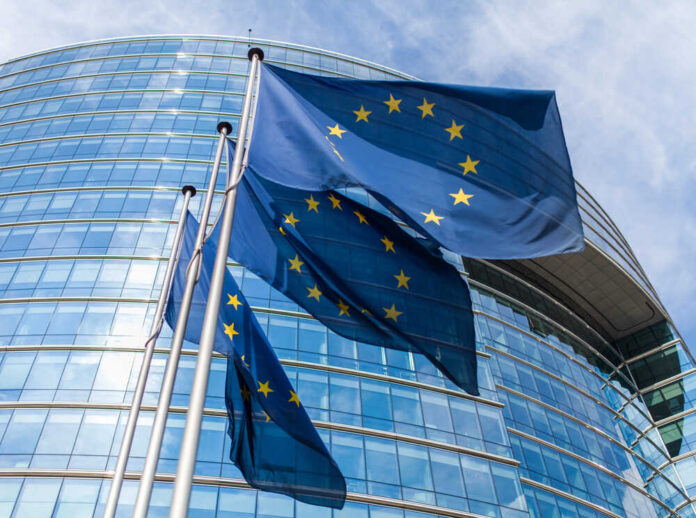
Europe’s sweeping Digital Services Act is forcing American tech firms to censor content globally, triggering concerns that US speech rights are being rewritten by foreign regulators.
At a Glance
- The EU’s Digital Services Act (DSA) took full effect in 2024, applying to large online platforms serving EU users—including US-based firms.
- The DSA compels companies to remove content labeled “harmful” or “illegal” by EU authorities, with steep fines for noncompliance.
- Experts warn the law’s broad definitions encourage platforms to over-remove content, affecting lawful American speech.
- The rules apply globally due to EU market size, pressuring US companies to align with foreign moderation standards.
- US lawmakers and civil liberties groups have raised alarms about the extraterritorial impact on First Amendment rights.
The DSA’s Global Enforcement Shockwave
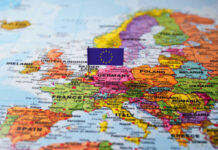
The Digital Services Act was introduced to unify content moderation standards across the EU’s 27 member states, but its reach has extended far beyond European borders. Under the law, any “Very Large Online Platform” or search engine with over 45 million EU users must comply with rigorous content control mandates—including risk assessments, transparency reports, and systems for flagging and removing objectionable content. While intended to curb disinformation and online harm, critics argue the DSA creates vague enforcement thresholds that force companies to act preemptively—often removing lawful content rather than risk EU penalties.
Watch now: Meta and EU Clash Over DSA Censorship Allegations · YouTube
Platforms such as Meta, Google, Amazon, and TikTok now find themselves in a compliance bind: obey EU content rules or face fines of up to 6% of global revenue. Most are opting to apply EU standards globally, impacting speech visible to American users. This regulatory export, dubbed the “Brussels Effect,” means content perfectly legal in the US can still be flagged, suppressed, or deleted based on European definitions.
American Speech, Foreign Standards
The law’s backers claim it enhances transparency and accountability. However, US civil rights organizations—including the Foundation for Individual Rights and Expression—warn that these standards, while dressed in the language of safety, can be used to stifle dissent. Legal scholars also highlight that the DSA effectively bypasses American courts and the First Amendment by holding companies to a foreign legal framework.
Smaller platforms, lacking the resources to fight back, are especially vulnerable to what critics call “censorship by design.” Compliance costs are soaring, and preemptive content takedowns are becoming the norm. Even large firms have quietly updated global policies to avoid conflict with the DSA—even where US users are not covered by the law. This cross-border moderation blurs the lines between safety and suppression, leaving the American legal system sidelined.
The Free Speech Backlash Builds
In Washington, lawmakers have begun to push back. Congressional hearings held this year questioned whether American companies should be bound by overseas speech codes. Proposals are circulating to establish legal firewalls preventing foreign speech standards from overriding US protections. But until a legislative fix emerges, the trend is clear: American users are already experiencing a chilling effect as content moderation shifts toward the strictest global denominator.
While EU officials defend the law as necessary for public safety, the global speech landscape is undergoing a transformation—one where unelected regulators in Brussels increasingly dictate what Americans can see, say, and share. For many, the question is no longer whether the DSA censors US speech, but how far that censorship will reach.