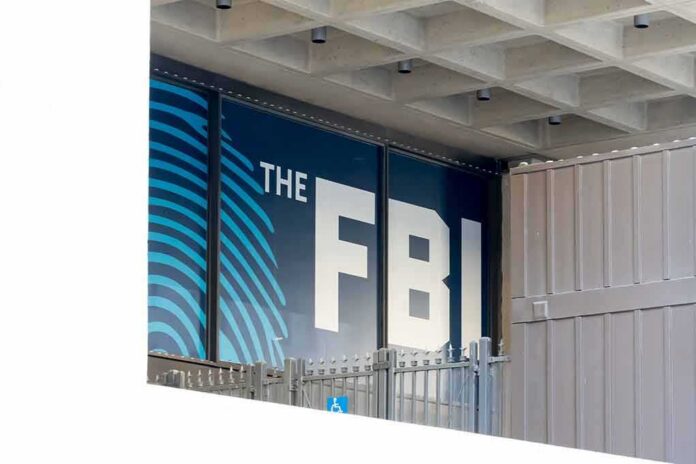
Federal prosecutors say a Michigan man threatened to kill Federal Bureau of Investigation (FBI) Director Kash Patel in a Facebook message, triggering swift federal charges and detention.
Story Highlights
- Justice Department says a Facebook message named Patel and described a “hit.”
- Charge: interstate communications with threats, a felony carrying up to five years.
- Local report says later calls threatened deadly force at the Detroit FBI office.
- Arrest and first court appearance came the same day prosecutors announced charges.
Prosecutors Detail Alleged Facebook Threat Naming Patel
United States Attorneys in the Eastern District of Michigan charged Anthony Daniel Palazzolo after a Facebook message on October 8 allegedly said he had “put a hit out” on an associate and that Director Kash Patel was “a dead mf too.” The Justice Department identified the recipient as “Victim-1,” an associate of Patel, and cited that message as the core of the case. Prosecutors announced the arrest and a first court appearance on October 30.
Prosecutors filed the case under the federal statute that covers interstate communications containing threats. Reports describe the charge as a felony that can bring up to five years in federal prison if convicted. That framework signals the government sees the words as a serious threat and not protected speech. The complaint, as quoted in media coverage, anchors the allegation to one dated message rather than a loose claim.
Reported Escalation After FBI Interview Fuels Concern
A Detroit television outlet reported that, after an FBI interview, Palazzolo allegedly called a Detroit FBI agent and threatened to come to the office and “use deadly force against every single one of you government officials — FBI Secret Service will all be killed.” That local account describes harassment by phone and broader threats to agents, raising the stakes beyond the single Facebook message. Federal filings cited by that outlet describe those calls as part of the pattern.
CNN and other outlets reported that the complaint states Palazzolo admitted sending the message and apologized, saying he had no intent to harm anyone. An admission to sending the words can matter, but intent remains for a court to assess under the law. The Supreme Court’s Counterman ruling requires proof the speaker understood the threatening nature at least recklessly, a standard prosecutors must meet at trial. That legal bar shapes how these cases proceed.
How The Law Weighs Threats And Free Speech
Federal law draws a line between political speech, even harsh speech, and true threats. Prosecutors say this case falls on the threat side because the message names a person and uses words like “put a hit out” and “dead.” Courts look at context, wording, and the speaker’s state of mind. The Counterman decision says the government must show the defendant understood the risk the words would be taken as a threat and spoke anyway. That test now guides judges and juries.
Researchers have tracked a rise in cases involving threats to public officials over the last decade. A review by the Combating Terrorism Center found annual federal charges climbed from an average of 38 to 62 in recent years, showing more cases entering court even as most never involve physical attacks. That trend affects public service and security planning, while the First Amendment still protects tough but lawful speech. This case sits inside that larger pattern.
What Comes Next In Court
Next steps include a detention review, discovery, and any motions on the threat statute and intent. Prosecutors could seek records from Facebook’s parent company, device data, and phone logs to support attribution and context. Defense lawyers can test whether the words meet the legal standard for a true threat and whether any later remarks were charged or only described. For now, the charge is filed, the arrest is made, and the court process has begun as the law requires.
Sources:
thegatewaypundit.com, cnn.com, justice.gov, hindustantimes.com, clickondetroit.com, newsghana.com.gh