The U.S. Administration has announced a pivotal agreement with the Venezuelan government concerning its energy sector, a move that follows a significant political transition in Venezuela. This policy shift aims to revitalize Venezuela’s crude oil production by opening its national oil sector to private investment, aligning with broader U.S. energy security objectives and potentially influencing global oil supply dynamics. This article analyzes the legislative reforms and projected effects on international markets and domestic consumer fuel prices.
Key Findings
- The U.S. government announced that U.S. oil companies are preparing to initiate operations in Venezuela.
- Following a political transition, the Venezuelan government began efforts to facilitate private investment in the national oil sector.
- Increased production from Venezuela is projected to enter the global market, potentially influencing crude oil prices worldwide.
- The agreement is cited by U.S. officials as a factor that could contribute to a decrease in domestic consumer fuel prices.
U.S. Policy and the Venezuela Energy Agreement
The U.S. Administration has announced an agreement with Venezuela concerning the country’s energy sector. Following a political transition and the extradition of former leader Nicolás Maduro, the Venezuelan government, currently led by Acting President Delcy Rodríguez, has moved to open its oil sector to private investment. This policy shift is intended to revitalize Venezuela’s crude oil production, which has decreased following sanctions and operational challenges, and aligns with broader U.S. energy security objectives.
This announcement follows a series of U.S. policy actions, including an executive order established to safeguard Venezuelan oil revenue. The agreement’s stated goals include boosting production and contributing to the goal of lower U.S. gas prices. The U.S. Administration has highlighted the potential for increased economic activity for both nations, citing projections that Venezuela could generate significant revenue in the short term.
Venezuela’s Oil Sector Reform Process
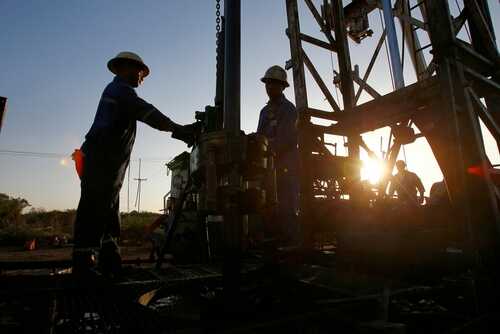
The Venezuelan parliament has granted initial approval to legislation that would permit private companies to engage in oil exploration and extraction activities. This legislative reform represents a critical shift from the previous state-controlled operational structure. With an estimated 300 billion barrels of proven crude oil reserves, which is considered the world’s largest national reserve, this development creates an opportunity for international energy firms.
Concerns regarding the stability and security of investments remain under review. U.S. energy companies, including Chevron and ExxonMobil, are reportedly prepared to commit capital toward rebuilding Venezuela’s oil infrastructure. However, the existing risks related to political stability and economic conditions in the country could present procedural obstacles.
Projected Impact on Global Oil Markets
The agreement’s potential effects extend to international oil markets. An increase in oil output from Venezuela could modify global supply dynamics, which may impact the influence of organizations like OPEC and affect international oil prices. For U.S. consumers, a decrease in fuel prices is a potential domestic economic benefit.
Conversely, the rise in global supply could also apply downward pressure on U.S. shale producers, which could affect profitability projections. The U.S. Administration’s focus on international oil partnerships emphasizes its commitment to energy policy goals while also illustrating the interconnected nature of global resource markets.
Watch the report: Trump announces US will start drilling for oil in Venezuela ‘very soon’
Sources
US to start drilling for oil in Venezuela ‘very soon’: Trump
Venezuela opens debate on an oil sector overhaul as Trump seeks role for US firms : NPR
As Trump zeroes in on Venezuela’s oil, Rodríguez moves to meet his demands | CNN
Trump seeks $100bn for Venezuela oil, but Exxon boss says country ‘uninvestable’