
A new $200 million push to breed, clone, and gear up “super” working dogs aims to change bomb detection and rescue missions in the years ahead.
Story Highlights
- Warhound announced a plan to engineer, clone, and equip elite working dogs with advanced gear.
- The company says dogs will handle bomb detection, dangerous searches, and rescue tasks.
- Genetic screening aims to reduce inherited health risks found in many service dogs.
- First puppies are targeted for around 2027, with performance still to be proven in the field.
Tech-Defense Partnership Targets Next-Gen Working Dogs
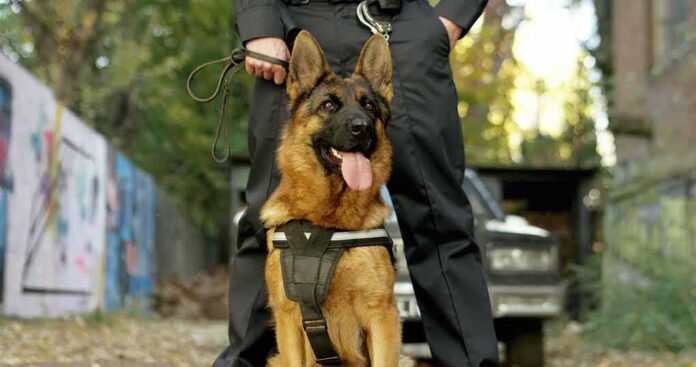
Warhound, a venture linked to Colossal Biosciences and Anduril, unveiled a plan to create genetically engineered and cloned working dogs, backed by a reported $200 million seed raise. The team pairs Colossal’s genetic and cloning work with Anduril’s defense technology, including sensors and protective gear. The company frames the dogs as partners for bomb squads, patrol teams, and rescue units. The goal is simple: send dogs where people face the highest risk and where machines still fall short.
Leaders behind Warhound propose a full pipeline: find the best performing dogs, collect and bank their genetics, clone those top dogs, and apply precise gene edits to improve health and durability. Reported plans include screening out variants tied to muscle loss and common career-ending diseases. The company also plans body armor, eye and ear protection, and links to Anduril’s Eagle Eye command network so dogs, handlers, and autonomous systems operate as one team on mission.
Defined Missions: Bomb Detection, Searches, and Rescue
Warhound’s concept focuses on working roles that matter daily to troops and police. Reporting highlights explosive detection, building clears, wide-area searches, and search-and-rescue operations. These jobs need speed, focus, and strong nerves in harsh settings. The company argues gene-informed selection and cloning from proven dogs can raise the odds of success. Protective kits and improved communications seek to boost survival and shorten handler response times when seconds count.
The plan lands as agencies seek more reliable working dogs. Government research calls for better breeding, health screening, and training based on genetics and behavior data. The Department of Defense working dog strategy stresses improving selection methods and reducing injuries and early retirements. Prior studies list genetics, kennel stress, work cycles, and breed traits as key drivers of performance and service life, reinforcing the need for evidence-based upgrades across the pipeline.
What Is New: From Selection to Cloning and Gene Editing
Conventional programs buy or breed dogs, then screen and train them. Warhound moves past selection into cloning and targeted edits. Fortune reported the company would biobank blood from high-performing military, police, and first-responder dogs, then clone the standouts. The team also aims to remove inherited disease risks before training even starts. That approach seeks to save time and money lost when dogs wash out due to health problems discovered late in the process.
Some reports describe an ambition to replace imports like Belgian Malinois and German shepherds with homegrown, engineered dogs. Supporters say a stable supply could cut shortages and costs across military and law enforcement. However, coverage does not identify head-to-head trials proving engineered dogs beat established breeds and training programs on detection rates, endurance, or service life. That comparison remains a practical bar to clear before large-scale adoption.
Timeline, Testing, and Adoption Hurdles
Reports place the first engineered litters around 2027, which means handlers and units will wait for real-world results. At launch, no engineered puppies were on the ground, so claims of gains in speed, scent work, or resilience lacked field data from trained animals. As with any new defense-adjacent tool, wider use will likely depend on transparent trials, veterinary oversight, and clear mission results under standard test conditions.
A tech company is working on genetically engineered dogs for military and police use
The company has raised $200 million after collecting blood samples from "top performing" military dogs pic.twitter.com/k1L94yis23
— Dexerto (@Dexerto) October 24, 2026
Adoption will also track procurement rules and animal-welfare review. Potential customers include the United States military, police, and emergency responders. Those buyers require documented proof that equipment improves outcomes and does not raise safety risks. Warhound’s gear integration with Anduril could be tested for fewer injuries, faster handler decisions, and better detection success. Valid measures like these will shape whether units field these dogs at scale or keep relying on current breeding and training pipelines.
Sources:
dallasnews.com, finance.yahoo.com, theverge.com, motherjones.com, theprint.in