
Qatar’s ruler says government revenue plunged 42% in early 2026 after war disruptions choked gas exports and damaged key energy facilities.
Story Highlights
- Qatar’s Emir reported a 42% drop in government revenue in the first half of 2026.
- The ruler blamed a closed Strait of Hormuz and damage at Ras Laffan for export losses.
- Public spending fell 14% as Doha adjusted to the shock, according to the Emir.
- Shipping data and force-majeure notices show steep cuts to liquefied natural gas deliveries.
Emir Cites War Disruptions And Facility Damage For Fiscal Hit
Emir Sheikh Tamim bin Hamad Al Thani told Qatar’s Shura Council on October 13 that state revenue fell 42% in the first half of 2026. He linked the decline to the closure of the Strait of Hormuz and direct damage at Ras Laffan Industrial City, which together disrupted a large share of exports. He added that public spending was trimmed 14% while keeping core services and projects on track, according to the speech summarized by regional outlets.
Qatar’s claim follows months of turmoil in regional energy lanes and infrastructure. The Strait of Hormuz is a vital route for global liquefied natural gas and oil shipments. When transit tightens, exporters face higher risk and slower deliveries. The Emir’s remarks match this reality, tying the revenue shock to both shipping limits and physical damage on the ground. That dual hit can squeeze sales volumes and delay payments, which matters for a budget that leans on hydrocarbons.
Independent Reports Show LNG Cargoes Slashed And Contracts Strained
Reuters reported that QatarEnergy extended force-majeure notices and could not deliver cargoes to Italy’s Edison and some Asian buyers while Hormuz stayed closed. The outlet said shipments through late August were down about 96% versus a year earlier, citing commercial data, signaling a rare breakdown in Qatar’s reputation for steady supply. That scale of disruption supports Doha’s account that export blockages, not routine swings, drove the fiscal falloff this year.
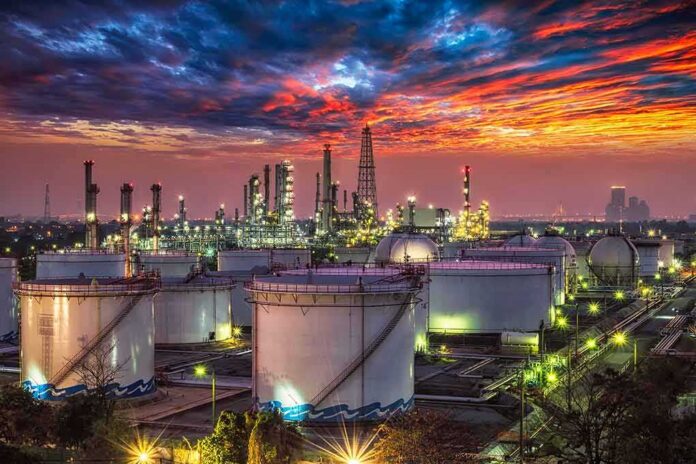
Regional coverage also described damage to two of Qatar’s 14 liquefied natural gas trains at Ras Laffan, which would sideline notable capacity and add strain to the supply system. Capacity outages do not always equal revenue losses one-for-one. But when paired with halted shipments and legal notices to buyers, the path to a large budget shock becomes clear. Together, these reports outline fewer cargoes, stressed contracts, and real limits on output and loadings.
Why This Matters For American Households And Energy Security
Global energy shocks do not stay overseas. When one of the world’s top liquefied natural gas suppliers stumbles, prices and supply plans everywhere can wobble. Europe and parts of Asia rely on steady flows to keep lights on and factories running. Any scramble there can ripple into United States markets. American families remember what higher utility bills feel like, and small businesses cannot plan well when energy costs swing without warning.
President Trump’s team has pushed for strong domestic production, reliable pipelines, and secure shipping lanes to shield Americans from foreign shocks. This episode in Qatar is a reminder: weak routes invite bullies, and broken supply chains raise costs. A stable Strait of Hormuz and tough deterrence help keep the world’s energy moving. Secure borders, disciplined spending, and a healthy American energy sector are the best insurance when faraway conflicts threaten wallets at home.
What The Numbers Do And Do Not Tell Us
The 42% figure comes from the Emir’s public statement, echoed by news outlets, not from a released revenue table with line-by-line details. The report does not show how much of the drop came from lower liquefied natural gas volumes, lower prices, or timing of payments. Still, the combination of documented shipping breakdowns, reported facility damage, and contract force-majeure points to a real and unusual blow to the treasury, beyond normal market moves.
Energy-heavy budgets swing hard when exports stop. The International Monetary Fund has long warned that Qatar’s revenue depends on hydrocarbons. That dependence magnifies the hit when shipping lanes close or plants go offline. The lesson for policymakers is simple: build capacity at home, protect key routes abroad, and keep budgets lean so families are not forced to pay for foreign turmoil through higher prices and inflationary waves.
Bottom Line For Readers
Qatar’s top leader says war-linked choke points and damaged gas facilities gutted revenue in early 2026, while spending was cut to cope. Independent reporting shows liquefied natural gas cargoes slashed and buyers warned they would not get deliveries on time. Those facts align and explain the sudden fiscal pain. For Americans, the message is clear: strong borders, strong energy at home, and strong sea-lane security keep our bills lower and our economy steady.
Sources:
zerohedge.com, thenationalnews.com, freemalaysiatoday.com, x.com