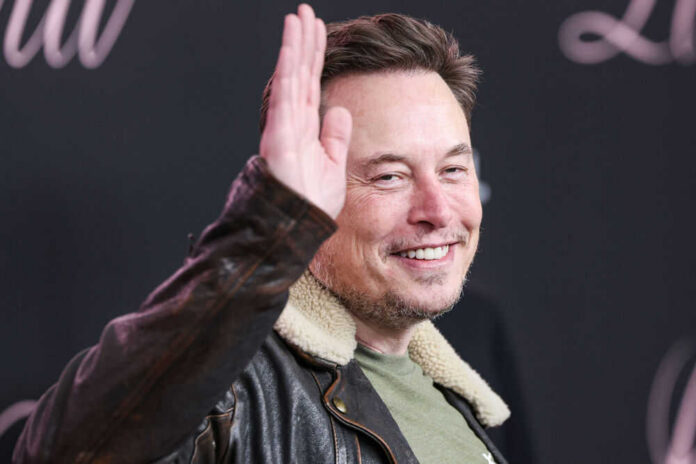
Colorado’s AI law mandates preventing discrimination except when it advances “diversity,” exposing a blatant double standard now challenged by the DOJ backing Elon Musk’s xAI in a landmark First Amendment fight.
Story Highlights
- DOJ intervenes in xAI’s lawsuit against Colorado’s SB24-205, marking the first federal constitutional challenge to a state AI regulation.
- The law bans “algorithmic discrimination” in high-risk areas like hiring and lending but carves out exceptions for “diversity” or “redressing historical discrimination,” raising Equal Protection concerns.
- xAI, Elon Musk’s company, sued on April 9, 2026, claiming the law forces AI like Grok to embed progressive ideology, threatening innovation and free speech.
- Assistant AG Harmeet K. Dhillon calls it “woke DEI ideology,” aligning with Trump administration priorities for merit-based tech leadership.
- Enforcement looms June 30, 2026; a win could block similar state overreach, protecting American AI dominance.
DOJ Steps In to Defend Constitutional Rights
On April 24, 2026, the U.S. Department of Justice filed to intervene in xAI’s federal lawsuit against Colorado’s SB24-205. The law, passed in 2024 under Gov. Jared Polis, targets high-risk AI systems in lending, hiring, and admissions. Developers like xAI and deployers like banks must prevent disparate impacts on protected classes such as race and sex. Yet it explicitly exempts discrimination for “diversity” purposes. DOJ argues this violates the Fourteenth Amendment’s Equal Protection Clause through unequal treatment of biases. This move signals federal pushback against state laws imposing ideological mandates on private innovation.
Colorado’s Law Forces Ideological Conformity
xAI filed suit on April 9, 2026, asserting SB24-205 compels changes to AI models like Grok to produce outputs aligned with progressive views. The statute requires reasonable care against algorithmic discrimination, defined as differential treatment based on protected characteristics. Compliance demands risk disclosures, impact reports, and mitigations, with notifications to the Attorney General within 90 days of issues. xAI contends this amounts to compelled speech and viewpoint discrimination under the First Amendment. Such requirements burden developers with politicized alterations, undermining merit-based AI that drives U.S. competitiveness against global rivals.
Key Players and Motivations Clash
Elon Musk’s xAI seeks to shield innovation from government-dictated biases, prioritizing accurate, merit-driven outputs for national security. DOJ leaders Harmeet K. Dhillon and Brett A. Shumate lead the charge: Dhillon deems the law illegal for “infecting” AI with woke DEI ideology; Shumate warns it threatens economic security. Colorado defends the measure as consumer protection against AI harms in consequential decisions. This pits federal supremacy and free enterprise against state overreach, echoing Colorado’s recent 8-1 Supreme Court loss on a conversion therapy ban for similar speech violations.
Stakes for Innovation and the American Dream
A court injunction could halt enforcement by June 30, 2026, deterring over 20 similar state AI bills and billions in compliance costs. Long-term, it establishes precedent for federal uniformity, freeing AI firms to innovate without ideological shackles. Conservatives cheer the strike against DEI mandates eroding individual liberty and traditional meritocracy. Even many liberals share frustration with elite-driven regulations that prioritize politics over practical solutions, failing everyday Americans pursuing success through hard work. This case tests whether government serves people or entrenches deep state control.
Broad Implications Beyond Colorado
DOJ’s AI Litigation Task Force, formed March 11, 2026, targets conflicting state rules amid the post-2023 AI boom. xAI’s challenge builds on Musk’s mission to counter woke biases in rivals like OpenAI. Success bolsters Trump-era policies favoring fossil fuels, border security, and fiscal restraint by extending to tech freedom. Both sides of the aisle increasingly see federal overreach—here via states—as elite corruption blocking the American Dream. Uniform national policy ensures U.S. AI leadership, protecting jobs and security from burdensome, uneven regulations.
Sources:
https://www.bizjournals.com/denver/news/2026/04/24/feds-back-musk-lawsuit-against-colorado.html
https://www.axios.com/2026/04/24/justice-department-joins-xai-challenge-colorado-ai-law
https://www.foxnews.com/politics/trump-doj-jumps-musk-xai-court-battle-diversity-fight-heats-up