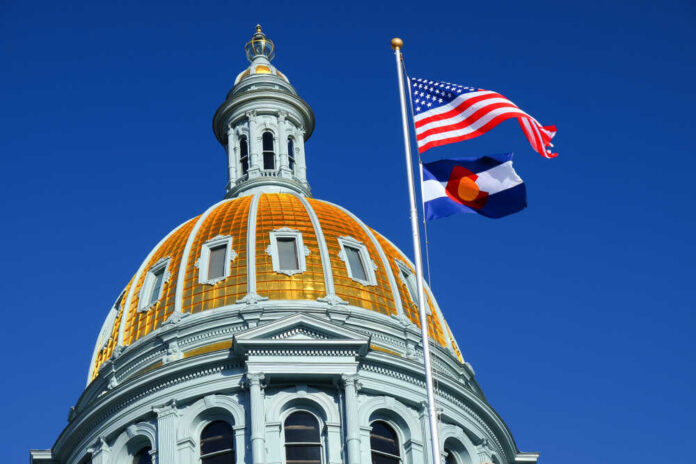
Colorado’s Democratic legislature continues pushing laws that mandate how business owners speak despite losing every major First Amendment battle at the Supreme Court, turning the state into America’s premier testing ground for compelled speech restrictions.
Story Snapshot
- Colorado enacted HB 25-1312 forcing businesses to use customers’ chosen names and pronouns, with appeals now pending after a district court denied an injunction
- Senate Bill 25-276 requires attorneys to certify they won’t share court data with federal immigration officials, implementing loyalty oaths in March 2026
- The state suffered an 8-1 Supreme Court defeat in Chiles v. Salazar on conversion therapy bans, then responded by eliminating statutes of limitations on related counselor liability
- Colorado lost landmark cases including Masterpiece Cakeshop, 303 Creative, and Trump v. Anderson, yet taxpayers continue funding constitutional challenges
- Alliance Defending Freedom represents plaintiffs XX-XY Athletics and Born Again Used Books in the 10th Circuit appeal against compelled gender expression recognition
A Pattern of Constitutional Defeats
Colorado’s track record reads like a Supreme Court syllabus on First Amendment protections. The 2018 Masterpiece Cakeshop decision delivered a 7-2 rebuke for hostile treatment of religious views. The 2023 ruling in 303 Creative struck down compelled website design in a 6-3 decision. Trump v. Anderson saw unanimous reversal in 2024. Most recently, Chiles v. Salazar resulted in an 8-1 loss, with only Justice Jackson siding with the state on conversion therapy restrictions. Despite these defeats costing taxpayers millions in legal fees, the Democratic-controlled legislature shows no signs of reconsidering its approach to speech regulation.
Doubling Down After Losing
The response to the Chiles defeat reveals Colorado’s strategy. Rather than accept constitutional limits, legislators crafted new liability frameworks that waive statutes of limitations for counselors. House Bill 25-1312 takes compelled speech further than previous attempts, mandating recognition of gender expression including chosen names and pronouns in public accommodations. U.S. District Judge Regina Rodriguez, a Biden appointee, denied a preliminary injunction against the law. Alliance Defending Freedom now appeals to the 10th Circuit on behalf of XX-XY Athletics and Born Again Used Books, arguing the mandate violates core expressive freedoms that previous Supreme Court decisions explicitly protected.
Loyalty Oaths Return to American Courts
Senate Bill 25-276 resurrects a practice most Americans associate with McCarthy-era excesses. The law requires attorneys filing documents electronically to certify they will not share court data with federal immigration authorities. After appearing briefly in September 2025, the Colorado Judicial Branch temporarily removed the certification for review. It returned in March 2026, forcing lawyers to choose between state court access and cooperation with federal law enforcement. The requirement creates an unprecedented conflict between state bars and federal immigration policy, compelling speech that attorneys may fundamentally oppose while chilling cooperation with Immigration and Customs Enforcement operations.
The Taxpayer Cost of Ideological Persistence
Every defeat generates legal precedent strengthening First Amendment protections nationwide, yet Colorado continues funding constitutionally dubious defenses. The state’s approach transforms taxpayer dollars into subsidies for conservative legal victories. George Washington University law professor Jonathan Turley describes the laws as facially unconstitutional, predicting SB 25-276 will meet the same fate as its predecessors. The irony cuts deeper when considering Colorado’s tourism slogan. “It’s Our Nature” once invited visitors to experience natural beauty. Now it inadvertently advertises an institutional commitment to testing constitutional boundaries regardless of cost or prior judicial instruction on those exact boundaries.
What Comes Next in the 10th Circuit
The appeals process moves forward with familiar players in established roles. Alliance Defending Freedom leverages its Supreme Court victories to challenge HB 25-1312’s pronoun mandates. The 10th Circuit faces questions already answered at higher levels: whether governments can compel private speakers to express messages they reject, whether anti-discrimination interests override expressive freedoms, and whether repeated judicial defeats require legislative reassessment. Based on binding Supreme Court precedent from 303 Creative and Masterpiece Cakeshop, the outcome appears foreordained. Colorado may win initial rounds in sympathetic district courts, but the arc of these cases bends consistently toward speech protection once appellate review begins.
Sources:
“It’s Our Nature”: Colorado Doubles Down On New Assaults On The First Amendment
“It’s Our Nature”: Colorado Doubles Down on New Assaults on the First Amendment
Facts and Case Summary – Counterman v. Colorado
Counterman v. Colorado Supreme Court Opinion